Expert Insights: The Future of Trucking in Canada


The trucking industry in Canada is on the cusp of significant transformation. As we move further into the 21st century, technological advancements and shifting economic landscapes are redefining how goods are transported across the country. To understand these changes, we turn to experts who provide insights into the future of trucking in Canada.

Technological Innovations Driving Change
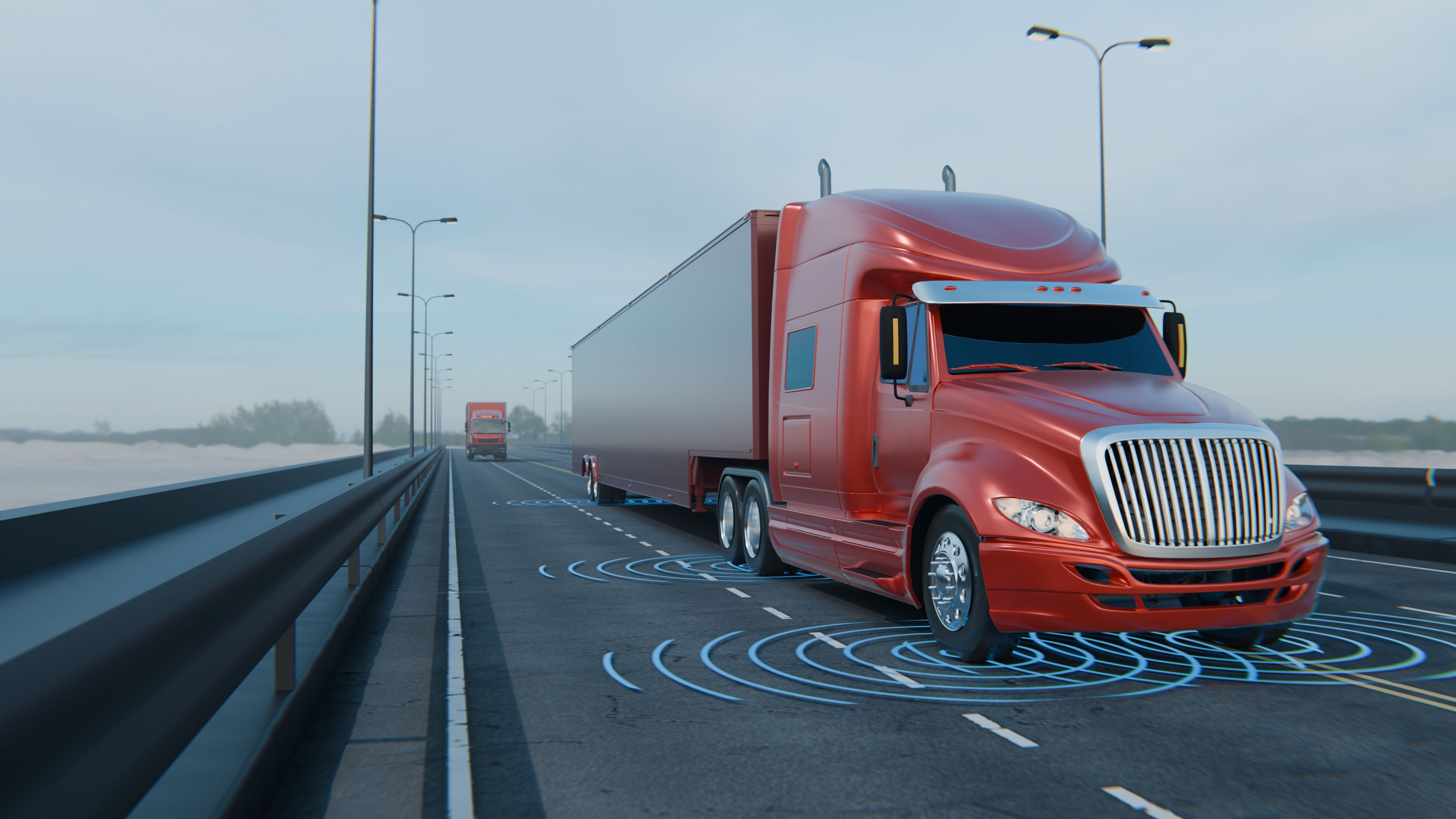
One of the most impactful changes is the integration of technology within trucking operations. From autonomous vehicles to advanced logistics software, technology is streamlining processes and increasing efficiency. Experts predict that self-driving trucks will soon become a common sight on Canadian highways, reducing human error and improving safety.
Additionally, the Internet of Things (IoT) is playing a significant role in fleet management. IoT devices allow for real-time tracking of vehicles and cargo, providing companies with valuable data to optimize routes and reduce costs. This technological shift is not only enhancing productivity but also minimizing the environmental impact by reducing fuel consumption.
Environmental Concerns and Sustainable Practices
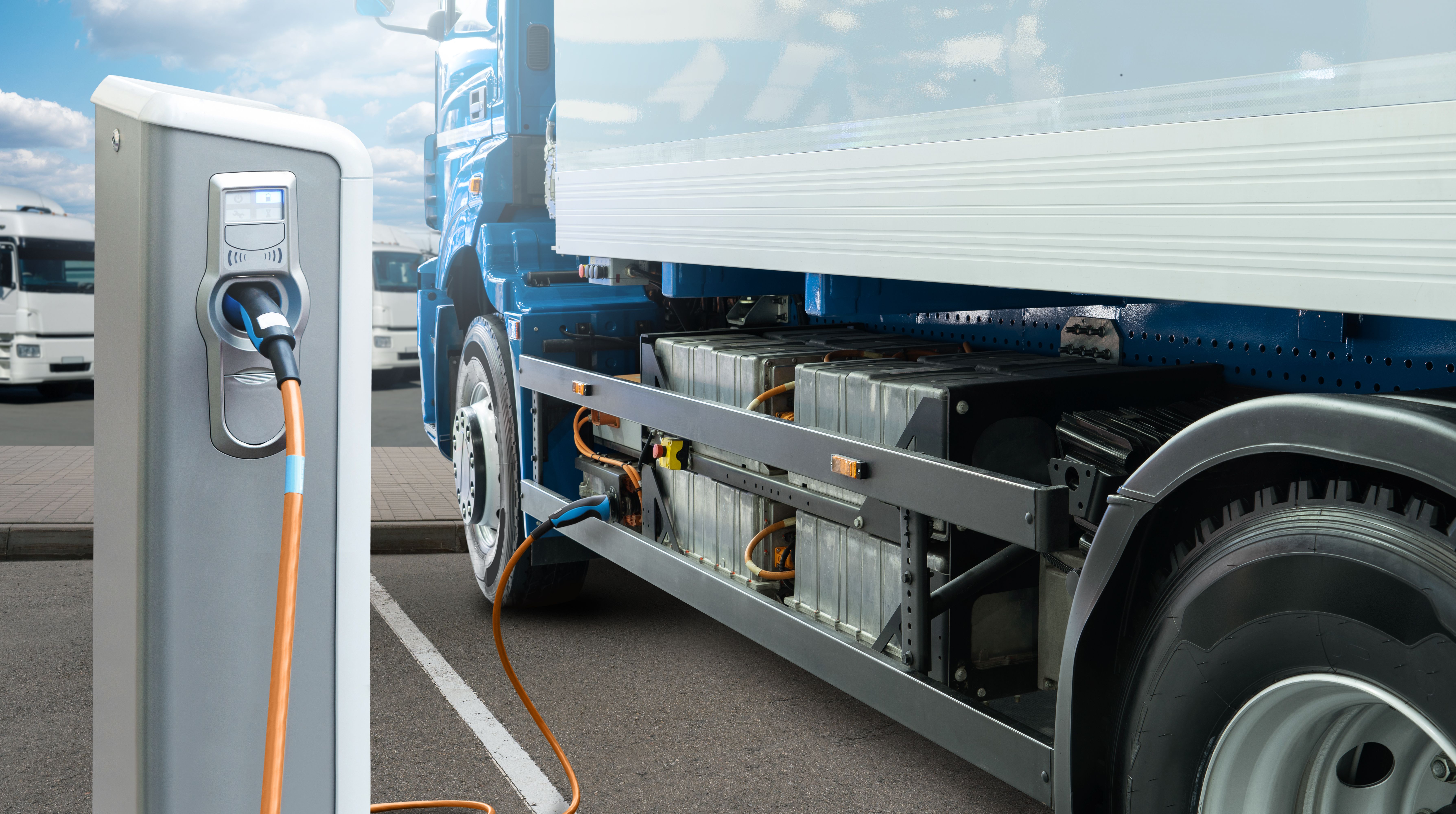
With climate change being a pressing issue, the trucking industry is under pressure to adopt more sustainable practices. The push for greener technologies is leading to the development of electric and hybrid trucks. These vehicles promise to lower carbon emissions, aligning with Canada's commitment to environmental sustainability.
Moreover, the use of alternative fuels such as biodiesel and natural gas is gaining traction. These options offer a cleaner, more sustainable way to power trucks, contributing to a reduction in the industry's overall carbon footprint.
Regulatory Changes and Their Impact
Regulatory frameworks are evolving to accommodate new technologies and address environmental concerns. Canadian authorities are implementing stricter emissions standards and encouraging the adoption of clean energy vehicles. These regulations are shaping the future of trucking by compelling companies to innovate and adapt.
Furthermore, initiatives like electronic logging devices (ELDs) are becoming mandatory, ensuring better compliance with safety standards and reducing instances of driver fatigue. This regulatory shift is crucial for maintaining safety and efficiency in the industry.
Challenges and Opportunities Ahead
While these advancements present numerous opportunities, they also introduce challenges. The transition to new technologies requires significant investment, which can be a barrier for smaller trucking companies. Additionally, there is a need for skilled workers who can manage and maintain these advanced systems.
However, the benefits far outweigh the challenges. Companies that embrace these changes can expect improved operational efficiency, cost savings, and a stronger competitive edge. This evolution also opens up new job opportunities in tech-focused roles within the industry.

The Road Ahead
The future of trucking in Canada is bright, with innovation at the forefront. As the industry continues to evolve, stakeholders must collaborate to ensure a smooth transition. By embracing technology, prioritizing sustainability, and adapting to regulatory changes, the trucking sector can thrive in the years to come.
In conclusion, the trucking industry in Canada is poised for a transformative future. With expert insights guiding the way, the path forward is clear: embrace change, innovate, and drive towards a more sustainable and efficient future.