Understanding Ontario's Trucking Regulations and Compliance


Introduction to Ontario's Trucking Regulations
Ontario's trucking industry is a vital component of the province's economy, ensuring the smooth transportation of goods across vast distances. However, understanding the regulations and compliance requirements is crucial for businesses operating in this sector. This guide will help you navigate the essential aspects of Ontario's trucking regulations.

Key Regulations for Trucking Companies
Ontario has specific regulations that trucking companies must adhere to in order to operate legally. These include obtaining the necessary permits, maintaining vehicle standards, and ensuring driver qualifications. Compliance with these regulations is monitored by the Ministry of Transportation of Ontario (MTO).
Vehicle Standards and Maintenance
Trucking companies must ensure their vehicles meet safety standards set by the MTO. Regular maintenance checks and inspections are mandatory. Failure to comply can result in fines or even suspension of operating licenses.

Driver Qualifications and Hours of Service
Drivers must hold a valid commercial driver's license and adhere to specific hours of service regulations. These rules are designed to prevent fatigue and ensure road safety. Drivers should maintain accurate logs and rest adequately between shifts.
Training and Certification
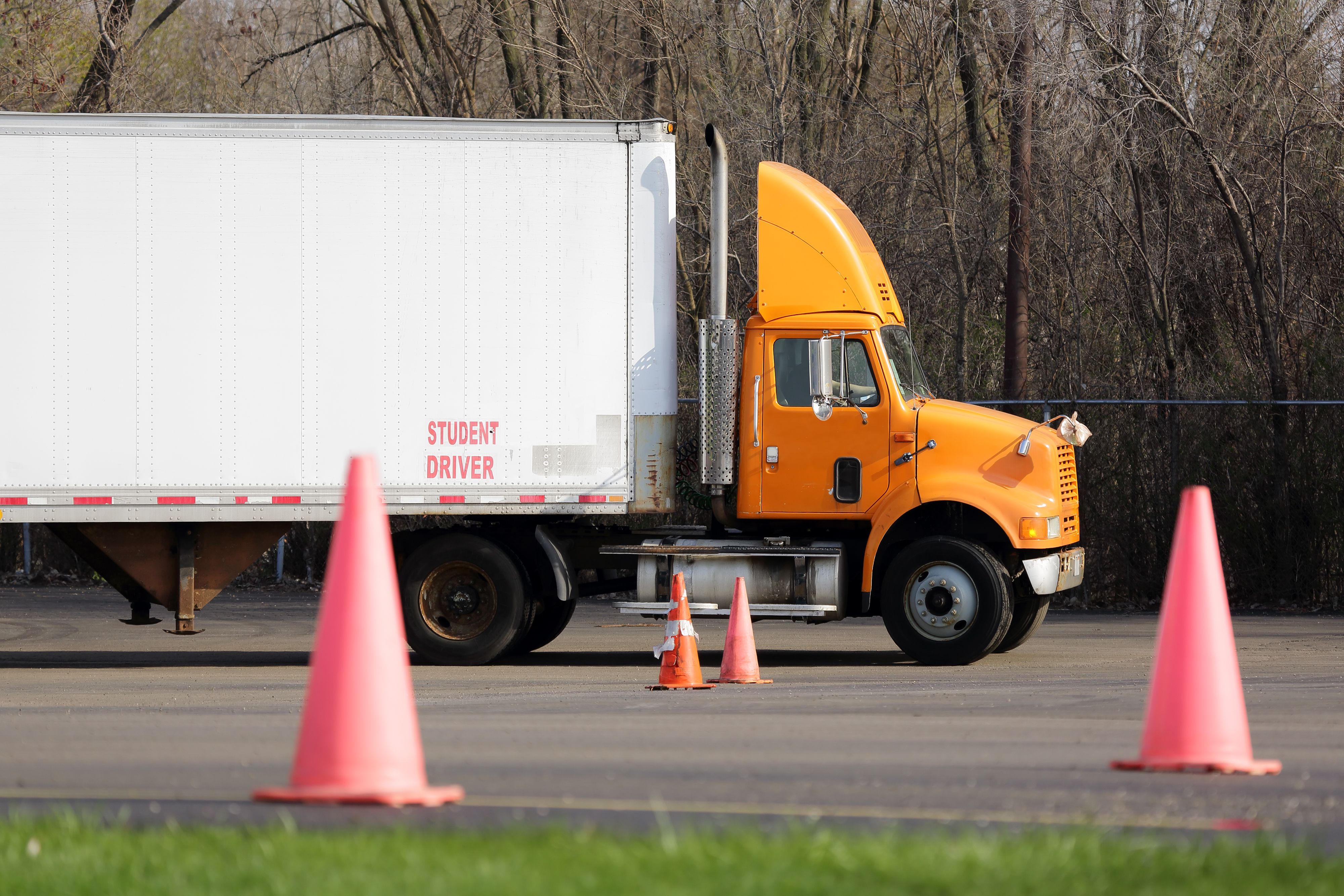
Proper training and certification are essential for drivers in Ontario. Companies are responsible for ensuring their drivers are well-trained and familiar with all regulatory requirements. This not only enhances safety but also boosts operational efficiency.
Understanding Permits and Licenses
Operating a trucking business requires various permits and licenses. Depending on the nature and size of your operations, you may need permits for transporting specific goods or operating across provincial and national borders.
- Oversize/Overweight Permits
- International Registration Plan (IRP)
- Fuel Tax Permits
Compliance and Enforcement
Enforcement of trucking regulations is strict in Ontario. Regular audits and inspections are conducted to ensure compliance. Companies must keep detailed records and be prepared for these checks to avoid penalties.
Penalties for Non-compliance
Non-compliance can lead to severe penalties, including fines, suspension of licenses, and even legal action. It is crucial for trucking companies to stay updated with any changes in regulations to avoid these consequences.
Conclusion
Understanding and adhering to Ontario's trucking regulations is essential for the success and legality of your operations. By ensuring compliance, you can protect your business from potential penalties and contribute to safer roads across the province.